
Moisture-first diagnostics
Mold follows moisture. We focus on locating wet materials and the likely source so recommendations address the cause, not just the symptom.
Serving Sacramento, California & surrounding areas
24/7 Emergency Response
If you smell a musty odor, see staining, or have had a leak, a professional inspection can confirm what is growing, where it is, and what to do next. Water Damage Scaramento schedules quickly and provides a clear, photo-backed report you can use for decisions, landlords, or contractors.
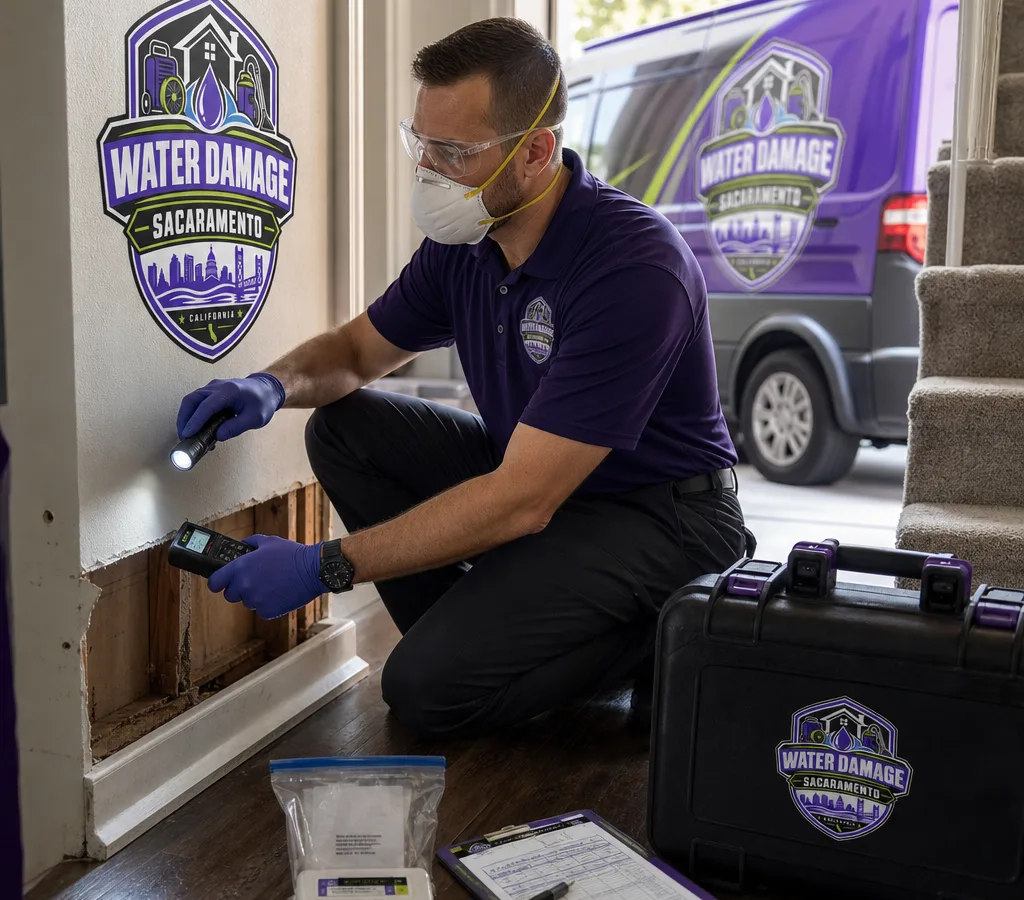
A Sacramento mold inspection is most useful when there is a reason to suspect moisture or microbial growth, but you need confirmation before spending money on cleanup or repairs. Common triggers include a recent plumbing leak, roof leak, HVAC condensation, a damp crawl space, or a lingering musty smell that returns after cleaning.
In Sacramento, homes can swing between very dry indoor air in the summer and cooler, closed-up conditions in winter. Those shifts can hide a slow moisture problem until it shows up as odor, peeling paint, or swelling baseboards. Condensation around supply registers, bathrooms that do not vent well, and garages or laundry rooms with poor airflow can also create the kind of damp surface conditions mold uses to grow.
If you are already planning restoration work after a leak, the most reliable sequence is: find the moisture source, measure the extent of moisture in materials, inspect likely hidden areas, then decide whether sampling is needed. Our goal is to give you a defensible answer, not guesses.
A proper mold inspection is more than a quick look at visible spots. We combine visual assessment with moisture diagnostics so the report explains both the mold concern and the building conditions that allow it.
Typical inspection elements include:
You will receive a written, photo-backed summary with clear next steps. If remediation is needed, the report helps you compare proposals using the same scope instead of vague descriptions.
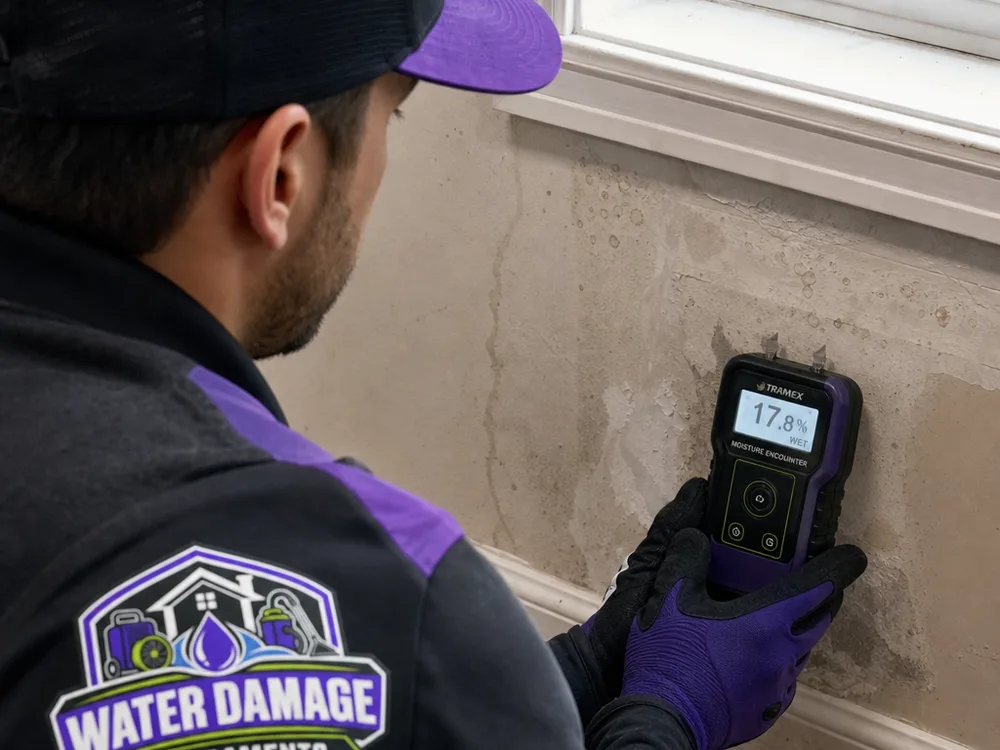
Mold follows moisture. We focus on locating wet materials and the likely source so recommendations address the cause, not just the symptom.
Sampling is optional and used when it helps answer a specific question. We explain what each sample can and cannot tell you before you decide.
If remediation is needed, we outline practical options such as limited containment, selective removal, cleaning methods, and drying targets.
We write reports so a landlord, buyer, property manager, or contractor can act on them without translating technical notes.
From older midtown plaster and lath walls to slab-on-grade neighborhoods with tight bathroom chases, we inspect the assemblies where moisture commonly hides.
You tell us what you are seeing—odor, staining, a prior leak, or health concerns—and where. We schedule a visit that fits tenant access or business hours.
We inspect the affected rooms and adjacent areas, then take moisture readings to identify where water may have moved through drywall, trim, flooring, or subfloor.
If needed, we collect air and/or surface samples from specific locations. We document locations so results can be tied back to building conditions.
You receive findings in plain language with photos, moisture observations, and recommendations that match the scope. If you are comparing bids, this keeps everyone quoting the same work.
If the inspection points to a leak or damp building material, the next step is correcting the source and drying. When the issue started with a leak event, water damage restoration is often the fastest path to stabilize materials before mold spreads.
Mold inspection in Sacramento typically ranges from about $250 to $650 for a home, depending on the size of the property, the number of areas of concern, and whether sampling is included. A focused inspection for one room is usually toward the low end, while larger homes or multi-area investigations with multiple samples trend higher.
Pricing changes most with access to attics or crawl spaces, how much moisture mapping is needed, and how many samples are collected and analyzed. The exact cost is confirmed after we understand the scope and the concerns for your Sacramento property.
Different parts of Sacramento tend to produce different mold questions. We keep the inspection grounded in how the building is put together and where moisture is likely to travel.
Older homes can have complex wall and ceiling assemblies, and small plumbing leaks can move along framing before staining shows. We focus on bathrooms, kitchens, and window openings, then confirm with moisture readings.
Mature landscaping and shaded exterior walls can keep certain sides of a house cooler and damper. We check for exterior-driven moisture at lower walls and around irrigation-adjacent areas when symptoms match.
Slab-on-grade construction and tight utility chases can hide slow leaks until flooring edges swell or odors show up near baseboards. Moisture mapping helps narrow the search.
Mixed housing stock and remodel history often mean patched plumbing and varied ventilation. We look for bathroom fan issues, under-sink leaks, and condensation patterns that repeat seasonally.
The most common triggers are roof penetrations, HVAC condensation, and tenant improvements that block airflow. We can coordinate inspections around operating hours to reduce disruption.
A mold inspection looks for moisture conditions and likely growth locations, while mold testing collects air or surface samples for lab analysis. Many Sacramento mold inspections do not require testing; sampling is most useful when you need documentation for a dispute, a real estate decision, or to compare an indoor air concern against an outdoor baseline.
Often, yes, we can identify strong indicators without demolition by combining a visual inspection with moisture readings and, when appropriate, infrared imaging. If readings and symptoms point to a hidden cavity issue, we will explain what limited, targeted openings would provide confirmation and why.
Most appointments take about 60 to 120 minutes, depending on home size and how many areas need moisture mapping. If sampling is included, collection is still done during the visit, and lab turnaround depends on the laboratory's queue.
Yes, an inspection is non-invasive and does not require you to leave. If we suspect a heavily contaminated area, such as a very damp crawl space or wall cavity with visible growth, we will advise on minimizing exposure during any later remediation work, which is separate from inspection.
Yes, we provide practical next steps based on what we find, including what materials may need removal versus cleaning and what moisture conditions need correction. We also note when a specialist trade may be needed to fix the source, such as a plumber for a supply line leak or a roofer for an active roof entry point.
You do not always need one, but it is smart when there is a known leak history, visible staining, musty odor, or a damp crawl space. Buyers most often request a targeted assessment of concern areas plus moisture mapping so they can decide whether further investigation is warranted before closing.
Do not scrub or bleach the suspected area right before the visit, because it can remove surface clues and affect sampling. If possible, provide access to the rooms of concern, under sinks, the attic access point, and the crawl space entry, and share any dates of leaks or repairs so we can focus the inspection.
Tell us what you are seeing and where, and we will schedule a mold inspection for your Sacramento property with a written report and practical next steps.