Written scope before major work
You receive a clear list of affected areas, what gets cleaned versus removed, and what gets rebuilt, so decisions are not made mid-project under pressure.
Serving Sacramento, California & surrounding areas
24/7 Emergency Response
Fast, careful cleanup and reconstruction after a fire. Get a clear scope, realistic timeline, and steady communication from the first inspection through the final repairs.
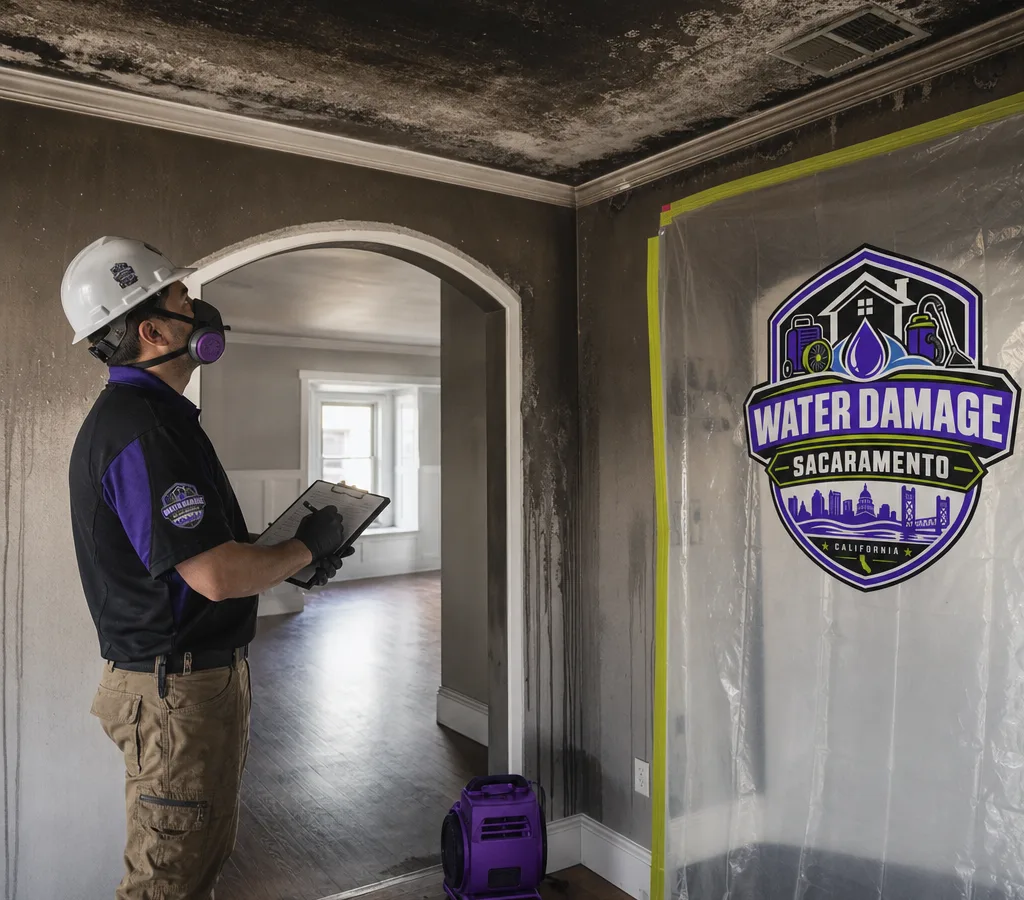
If you are searching for fire damage restoration Sacramento homeowners can rely on, you usually need more than debris removal. A proper restoration job addresses what the fire did, what smoke did, and what the firefighting effort did.
Fire damage restoration typically includes:
In Sacramento, many properties have attached garages and shared-wall layouts where smoke migrates fast. Early containment and filtration keeps soot from spreading into clean rooms and HVAC pathways. The sooner the work area is set and residues are treated, the better the chances of salvaging items and finishes.
Restoration work goes smoother when the plan fits the property and the neighborhood. A few common local realities affect the way we set up and sequence fire cleanup and repairs.
Older housing stock and legacy materials. Areas like East Sacramento and Land Park include many mid-century and older homes. That can mean more layered paint, plaster, and older trim details that take a careful approach during demo and rebuild so adjoining materials are not damaged.
Downtown and Midtown access. In Midtown and Downtown Sacramento, tight driveways, shared parking, and multi-unit buildings often require smaller staged loads, stricter containment, and clear scheduling for debris hauling and equipment placement.
Newer developments in Natomas. Many Natomas homes use modern engineered materials and open layouts. That can help with access, but it also means smoke can travel quickly through large connected spaces. We prioritize air scrubbing and compartmentalization early.
Heat and dry air. Sacramento summers can be hot and dry. That changes how fast materials off-gas odor and how humidity behaves during drying. We monitor moisture content rather than relying on a calendar.
When you contact Water Damage Scaramento, you get an inspection that focuses on what is actually affected: structure, contents, HVAC pathways, and the areas that look fine but tested positive for soot or odor. If you are also dealing with water from suppression efforts, our Water Damage team can coordinate drying and reconstruction so the job stays organized.
You receive a clear list of affected areas, what gets cleaned versus removed, and what gets rebuilt, so decisions are not made mid-project under pressure.
We set up negative air where needed and use HEPA filtration to limit soot migration while demolition and cleaning are underway.
Dry cleaning for loose soot, wet cleaning for stable surfaces, and careful handling for porous materials that can lock in odor.
We treat odor by removing residue, cleaning cavities, and sealing when appropriate, rather than masking smells with fragrance.
Once cleanup is verified, repairs are scheduled in a logical order so trades are not working over each other and re-contaminating finished areas.
We assess structural safety, identify smoke and soot migration paths, and document affected rooms and materials. If a board-up or temporary protection is needed, we plan it right away.
We isolate the work zone, set filtration, and sort contents by salvageable, specialized cleaning, and discard. Items with heavy smoke residue are removed for separate handling so they do not reintroduce odor.
We use HEPA vacuuming, dry sponges, and appropriate detergents for surfaces and framing. Hidden cavities are addressed when required so soot is not trapped behind new drywall.
If the fire was extinguished with water, we map moisture, run dehumidification, and verify drying targets before materials are closed up.
After residues are removed, we apply targeted deodorization and, when needed, seal affected substrates to prevent odor bleed-through.
We rebuild damaged areas, complete finish work, and do a final walkthrough to confirm the space is clean, dry, and ready for normal use.
Fire damage restoration in Sacramento typically ranges from about $3,000 to $12,000 for light to moderate smoke cleanup and repairs, while heavy fire loss with major demolition and rebuild often runs $25,000 to $100,000+ depending on the area affected.
Your price changes most with the size of the impacted zone, soot depth and staining, HVAC involvement, how much drywall and insulation must be removed, water damage from suppression efforts, access (multi-unit and tight parking), and the level of finish you are restoring. The exact cost is confirmed after an on-site inspection and a written scope.
In many cases we can begin the same day or next day, depending on site safety and access. The first step is an inspection to confirm structural conditions, identify smoke migration, and set containment so soot does not spread during cleanup.
Smoke odor can be removed permanently when the source residues are physically cleaned and affected porous materials are addressed. Odor usually comes back when soot remains in cavities, insulation, or HVAC pathways, so we focus on removal first and use deodorization and sealing only where it fits the material and the contamination level.
It depends on the affected areas, air quality, and whether utilities are safe to use. For light smoke in a small area, you may be able to stay with containment and filtration in place; for heavy soot, strong odor, or major demolition, temporary relocation is often the practical option until cleaning and air control are complete.
That is common, and it changes the sequence of work. We prioritize moisture mapping and drying early so framing and subfloors are not closed up wet, then proceed with soot removal and repairs; when needed, we coordinate the drying plan with water damage restoration work so you do not juggle separate schedules.
Yes, we can provide documentation, photos, and a clear scope that matches the affected materials and required steps. Coverage depends on your policy and claim details, but a detailed, itemized scope helps reduce delays and back-and-forth during approvals.
Light smoke cleanup can take a few days, while projects with demolition and rebuild often take several weeks. Timeline depends on inspection findings, how much material must be removed, drying time if water was involved, and the level of finish work needed to return the property to pre-loss condition.
Tell us what happened and what areas were affected. We will schedule an inspection, explain what can be saved, and provide a written scope and timeline for fire damage restoration in Sacramento.